Kuroto Fund, L.P. - Q3 2026 Letter
Dear Partners and Friends,
PERFORMANCE
Kuroto Fund, L.P. was up +8.6%, net of all fees, in the third quarter of 2026, and is up +43.4% for the year-to-date. By comparison, the MSCI Emerging Markets Index declined -0.4% in the quarter and is now up +23.4% for the year-to-date. The MSCI Frontier Markets Index declined -0.3% in the third quarter and is up +9.8% year-to-date.
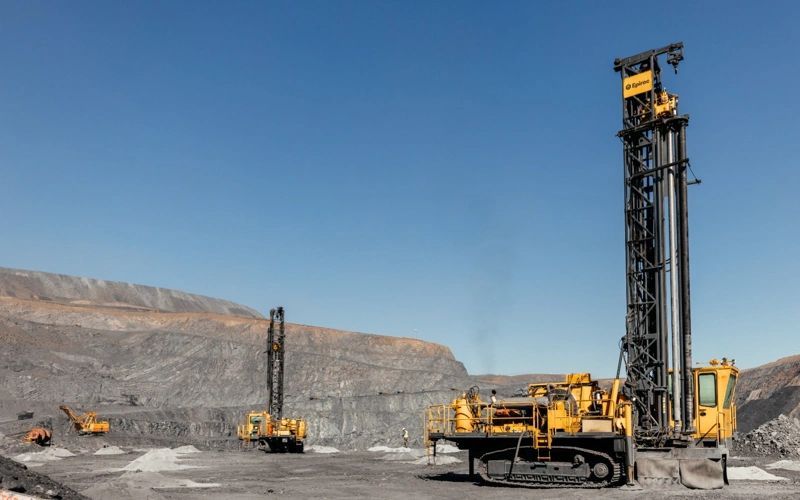
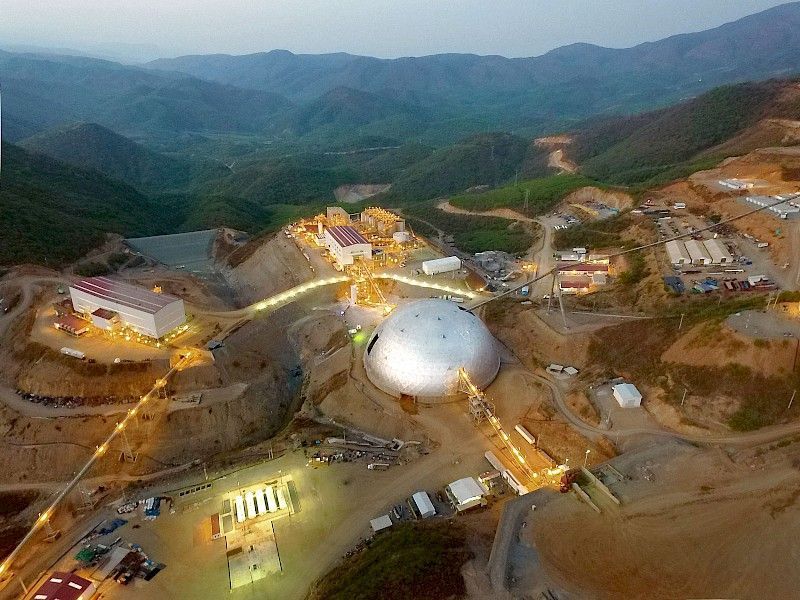
Performance in the third quarter was led by an exceptionally strong quarter for shares in our Kazakh gold miner, Solidcore Resources, followed by over +20% moves in both our energy equities and our financials holdings in Georgia and Kazakhstan.
In the letter to follow, we provide an update on Kuroto’s energy portfolio in light of the strong year-to-date returns and discuss our decisions to sell energy investments Gran Tierra Energy and Seplat Energy. Lastly, we share our updated outlook for Brazil post-election.
Oil Portfolio Update
Coming into 2026, the oil and gas equities in Kuroto had a 22% aggregate portfolio weighting. Collectively, that portfolio has appreciated +89%, contributing over one-third of the fund’s gross performance for the year. Since then, we have reduced our exposure to the sector, with oil and gas equities now making up 15% of the fund. We exited our investment in Seplat Energy and have nearly completed the exit of our holding in Gran Tierra Energy. These oil and gas equities appreciated in part because of the oil price spike induced by the Iran conflict, as well as for idiosyncratic, company-specific reasons.
As we analyze our three remaining oil and gas positions, we believe they are attractively valued and should also provide the portfolio with a partial hedge should oil prices rise further due to the deterioration of the conflict in the Middle East.
With the capital raised via sales of energy equities, we reallocated into attractively priced investments in Brazil, such as Grupo GPS, as well as into new positions in countries that have been negatively affected by the high oil prices from the Iran conflict, namely Bangladesh and Egypt.
Gran Tierra Energy Sale
We initiated our holding in Gran Tierra Energy in Kuroto in July 2025. The company had traded off significantly when it followed up its 2024 exploration success in Ecuador with the ill-advised acquisition of i3 Energy in Canada. The transaction, which didn’t make financial or strategic sense, caused Gran Tierra’s stock to decline by over 40%. At the discounted share price, we decided to build our position and influence over the company. We ultimately bought 18% of the company and decided to join the board with the intention of improving Gran Tierra’s capital allocation decisions. Sensing the likely result of our decision, Gran Tierra’s board preemptively undertook a strategic review of its portfolio. That review resulted in a decision to sell the company’s Latin American business to surface value. That transaction, announced in early August of this year, enabled us to begin selling our position at attractive prices.
Decision to Exit Seplat Energy
We first started purchasing shares of Seplat in Kuroto in December 2021. When the company bought Exxon out of Nigeria, we substantially increased our position. We always viewed Seplat as the best run Nigerian oil company. The company’s breakeven production costs were so low that Seplat was able to keep paying its dividend throughout 2020 when the Brent Crude oil price averaged $43 per barrel, including through the depths of the COVID-induced oil crash. And because of the Exxon deal, Seplat was able to more than double the business without raising equity. Despite these attractive attributes, Seplat traded at a substantial discount to international peers due to the poor reputation of its home country. Prior to 2026, the stock traded at a 20-30% free cash flow (FCF) yield and paid a high single-digit dividend yield, while also investing to grow production.
We particularly liked Seplat’s shareholding structure. At the time of our investment, the company had a variety of unaffiliated shareholders, each with their own board representation. The French oil company Maurel et Prom owned 20% of Seplat; the two co-founders each owned stakes ranging from 6% to 12%; another 15% was owned by the South African asset managers Allan Gray and Sustainable Capital; and 14% of the company was owned by Monaco-based investor Samuel Dossou. In short, there was no single owner powerful enough to take advantage of minority investors and impair our investment.
Early this year, the distributed ownership structure of Seplat ended abruptly. Tony Elumelu, a Nigerian billionaire, acquired Maurel et Prom’s 20% stake and was appointed to Seplat’s board. Shortly thereafter, the two South African asset managers sold their shares as well. Tony was the rumored buyer of their shares. While it was impossible for us to verify these rumors, it became clear to us that Tony had complete control over the company.
We viewed Tony’s control with skepticism, but his purchase was viewed very favorably by local Nigerian investors. The local view was that finally Seplat has a ‘Big Man’ in charge who has the ear of the ‘Big Men’ in Abuja and can get things done. While there is probably truth to this, Tony’s corporate governance track record made us uncomfortable with his level of control.
Once in control, Tony removed Roger Brown, Seplat’s foreign CEO whom we greatly respected, and installed a local Nigerian in his place. Tony also made himself the Chairman of Seplat’s board. Again, to our surprise, the market applauded these moves and the stock rallied further. We sold half our position on the day of the CEO change announcement and then met with both the new CEO and Tony himself to dig deeper into the new governance structure. After both meetings, and a subsequent further increase in the share price, we exited the position completely. We sold the last of our shares at a 10% FCF yield on our forward-year forecast, or a mid-teens FCF yield 3-5 years out. After we sold, the stock rallied another 15% and now trades at an estimated 8% FCF yield on forward estimates, and a low-teens FCF yield 3-5 years out.
Seplat was a very successful investment for us. From when we purchased it to today, annual production and cash flow have more than tripled. Our Seplat investment returned over 700% prior to Tony's involvement, and has nearly doubled again in the short time since he bought in. In total, our initial holding in Kuroto returned over 1,000% across our nearly five-year investment. Some of this was good stock picking, and some was luck.
Brazil's Election
Brazil’s election delivered a series of surprises: Flavio's first-round victory, Lula’s second-round victory, Justice Moraes' attempt to confiscate Flavio's passport, and Flavio's decision to relocate to the United States.
With Lula still in power, we expect the Brazilian real will weaken as Lula forces policy rates lower without the necessary fiscal adjustment. This scenario will present a challenging macroeconomic backdrop for our companies but is not all bad news. In an environment of scarce capital, our well-capitalized portfolio companies will likely consolidate their sector leadership positions. Several of our Brazilian portfolio companies stand to benefit from softening competition from private equity.
One of our investments that should benefit from an environment with a higher cost of capital in Brazil is Grupo GPS, the country's leading business services outsourcing company. A key part of the investment thesis is that GPS will continue to make high-return acquisitions, and a lower valuation environment should help. We recently profiled Grupo GPS as an example of our investment process. If you haven’t already, we encourage you to watch our case study webinar (access the replay via the following link: Grupo GPS Case Study - Oct 2026 - Video Replay).
Organizational Update
In September, we added Will Robinson to our investment team. He joins us from Sixth Street Partners, where he was an associate on their Infrastructure investment team. Will originally hails from Texas, outside of Dallas, and received a B.B.A. in Finance from The University of Texas at Austin. We are excited for him to bolster the analytical horsepower of our mining research.
Sincerely,
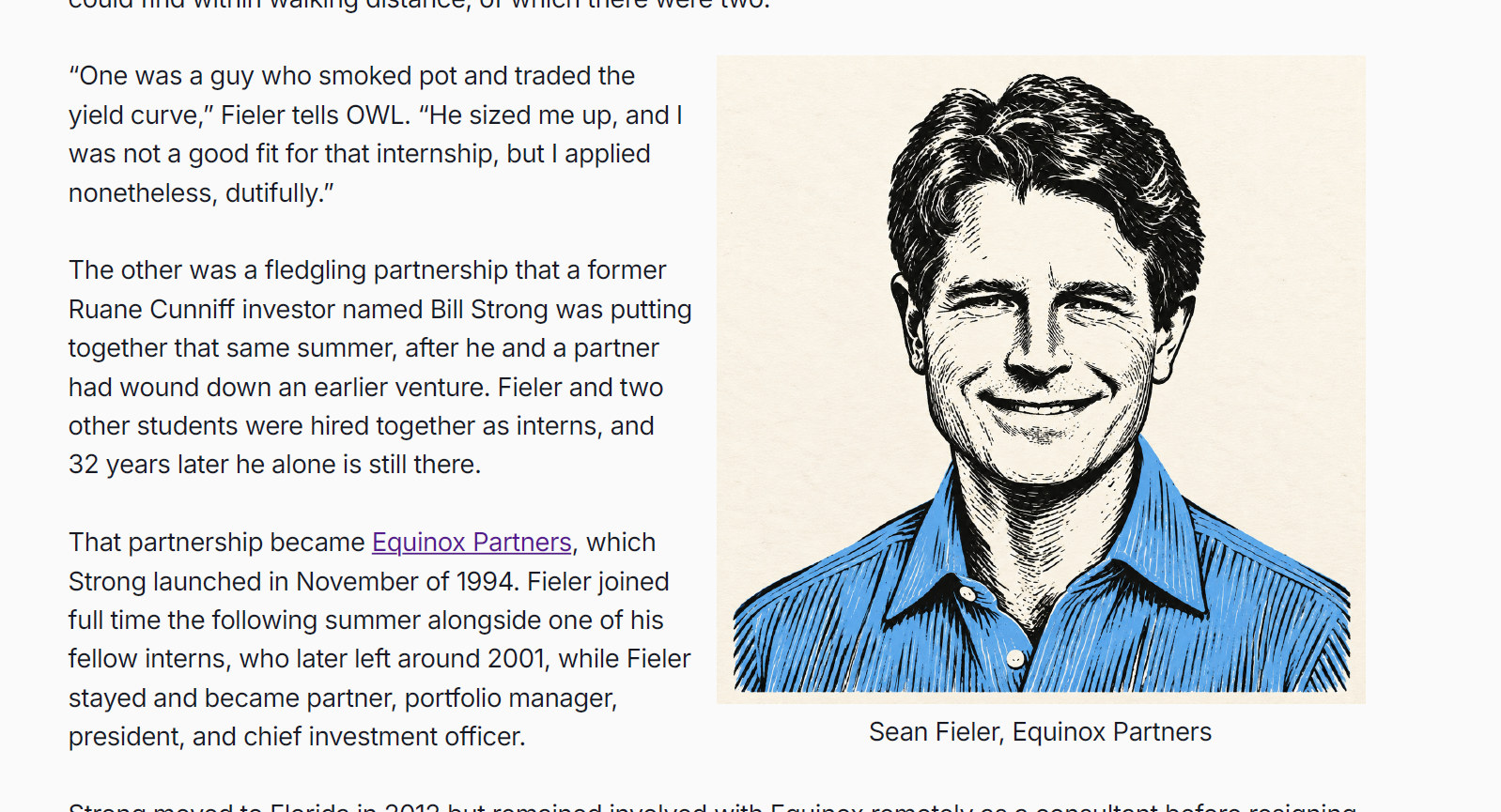
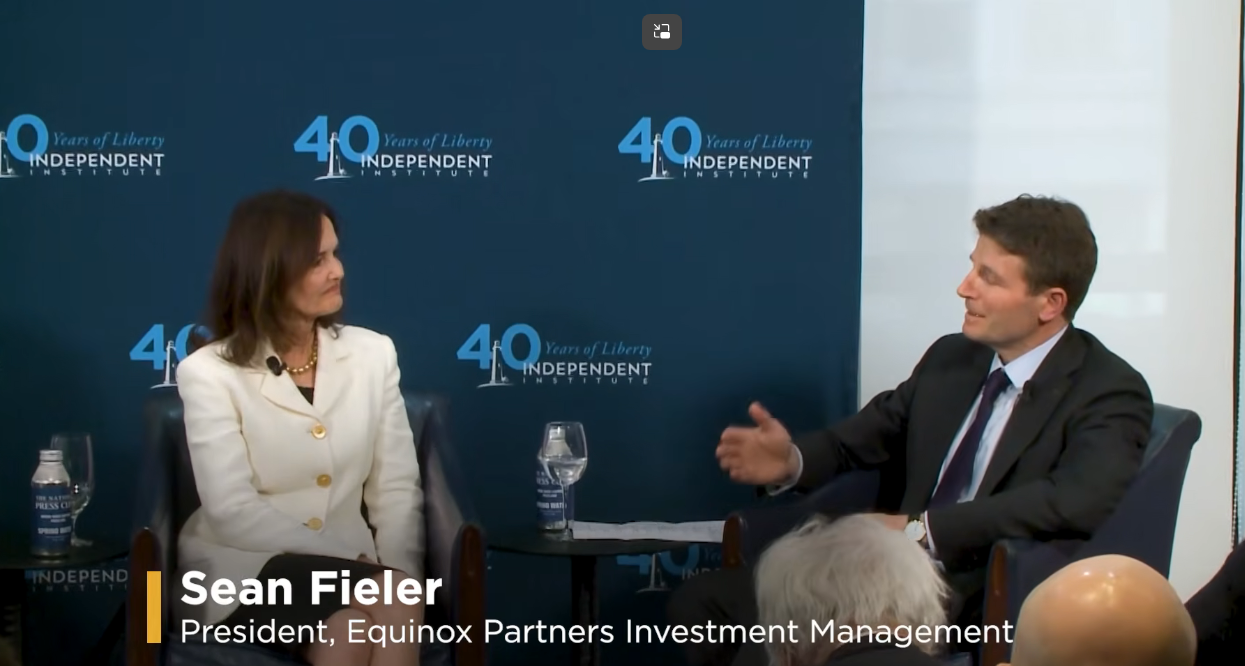
Sean Fieler & Brad Virbitsky
[1] Please note that estimated performance has yet to be audited and is subject to revision. Performance figures constitute confidential information and must not be disclosed to third parties. An investor’s performance may differ based on timing of contributions, withdrawals and participation in new issues.
Unless otherwise noted, all company-specific data derived from internal analysis, company presentations, Bloomberg, FactSet or independent sources. Values as of 9.30.26, unless otherwise noted.
This document is not an offer to sell or the solicitation of an offer to buy interests in any product and is being provided for informational purposes only and should not be relied upon as legal, tax or investment advice. An offering of interests will be made only by means of a confidential private offering memorandum and only to qualified investors in jurisdictions where permitted by law.
An investment is speculative and involves a high degree of risk. There is no secondary market for the investor’s interests and none is expected to develop and there may be restrictions on transferring interests. The Investment Advisor has total trading authority. Performance results are net of fees and expenses and reflect the reinvestment of dividends, interest and other earnings.
Prior performance is not necessarily indicative of future results. Any investment in a fund involves the risk of loss. Performance can be volatile and an investor could lose all or a substantial portion of his or her investment.
The information presented herein is current only as of the particular dates specified for such information, and is subject to change in future periods without notice.